
Vending Machine Business Requirements: Licenses, Permits & Legal Guidance
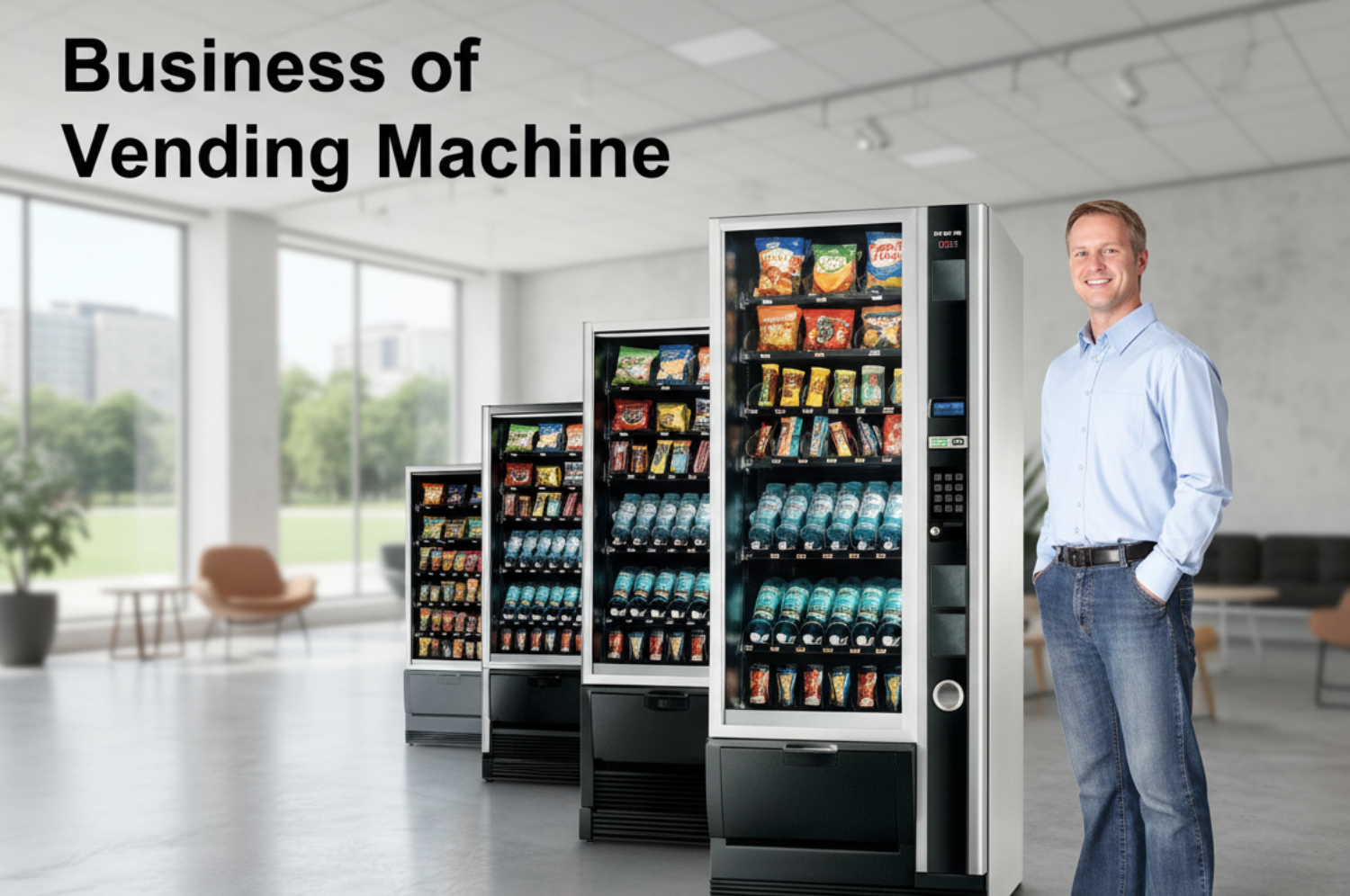
Launching a vending machine business looks simple from the outside: buy a machine, place it somewhere, and earn passive income. But the reality is more regulated than many new entrepreneurs expect. Each state, city, and even building can require different licenses, permits, tax registrations, and compliance steps. Failing to follow them can lead to fines, machine removal, or even business shutdowns. This guide breaks down every major requirement you need to start legally and operate confidently. Whether you’re figuring out how to start a vending machine business, preparing your vending machine business plan, or reviewing legal requirements before purchasing machines, this comprehensive guide will walk you through the process from start to finish.
Starting a vending machine business is one of the most appealing low-barrier ventures for new entrepreneurs. It promises flexibility, passive income, low startup costs, and scalable potential. But one hidden challenge often surprises beginners: the legal requirements involved in operating vending machines. From sales tax permits to food-handling rules and local vending licenses, compliance can vary dramatically depending on where you operate and what your machines sell.
This guide provides a clear breakdown of the essential licenses, permits, insurance, contracts, and regulatory considerations you need before placing your first machine. You’ll learn what authorities require, why certain rules exist, and how to avoid costly mistakes. We’ll also include practical tips, example scenarios, real-world challenges, and compliance checklists to help you build a smooth-running, legally sound operation.
By the end, you’ll know exactly what paperwork you need, how to prepare it, and how to structure your business to stay compliant in the long run.
Understanding Legal Requirements for a Vending Machine Business
Why Vending Machines Are Regulated
Vending machines may appear simple, but they fall under numerous regulations because they involve money, food, and commercial placement on private or public property. Cities regulate vending to maintain safety, hygiene, accessibility, and consumer protection. Regulations also ensure that businesses pay proper taxes, provide accurate pricing, and operate under legal business structures.
The Role of States, Cities, and Counties
One of the biggest sources of confusion is that no single license covers everything. Your state, county, and city may all require separate permits. For example, some states require a statewide sales tax certificate, while cities require vending permits for each machine. Meanwhile, counties may enforce health inspections if you sell perishable items. Understanding this layered system helps avoid unexpected violations.
What Happens if You Operate Without Proper Permits
Penalties range from small fines to machine impoundment. In some states, unlicensed vending is treated as tax evasion. In others, unauthorized placement on public property can result in heavy penalties. More importantly, building owners may cancel your placement agreements if you can’t provide proof of compliance.
Legal Business Structure & Tax Registration
Choosing a Business Structure
Before applying for licenses, you must choose a legal structure for your vending machine business. Common options include:
- Sole Proprietorship – simplest, but offers no liability protection.
- LLC – most popular option, protecting your personal assets from business risks.
- S Corporation – offers tax advantages for growing operations.
An LLC is the most common choice because it protects owners from personal liability if a machine injures someone or causes damage.
Getting an EIN (Employer Identification Number)
The IRS requires nearly all businesses to obtain an EIN. It allows you to open a business bank account, file taxes, and apply for licenses. Registering is free and takes minutes online.
State Tax Registration Requirements
Most states require vending operators to collect sales tax. Even if your machine sells items for $1.00 or less, sales tax still applies in many states. You may need:
- A Sales Tax Permit
- A Vendor’s License
- A Sales and Use Tax Certificate
Always verify whether your local area requires tax stickers on each machine.
Required Licenses for a Vending Machine Business
General Business License
Almost all cities require a basic business license before you place a machine. Some charge a flat yearly fee, while others base licensing fees on how many machines you operate.
Vending Machine Business License
Some jurisdictions require a license for each individual vending machine. Fees typically range from $10 to $100 annually. Examples include:
- Sticker permit for each machine
- Annual equipment registration
- Location-based vending license
Filing is usually simple, but failing to register each machine can lead to penalties.
Food Vendor or Health Department Permit
If you sell snacks, refrigerated foods, or beverages, especially perishable items your machines may fall under health department regulations. Counties often require:
- A food-handling permit
- Health inspection certification
- Proper labeling on each item
Machines selling hot food or fresh items have stricter requirements.
Special Permits for Public Property
If placing machines on public land (parks, transportation hubs, schools), you’ll often need:
- A public vending permit
- ADA compliance verification
- Additional insurance coverage
Most beginners start with private commercial placements because regulations are much easier to follow.
Permits Based on Vending Machine Types
Snack Vending Machines
These machines require minimal regulation, but you must comply with sales tax laws, product labeling rules, and basic business licensing.
Beverage Vending Machines
Soda and drink machines sometimes require additional inspection due to refrigeration systems. Some states require energy compliance labels as well.
Frozen Food Vending Machines
If your machine dispenses frozen meals or ice cream, expect health department certification and periodic inspections.
Hot Food Vending Machines
These involve heating elements and temperature-sensitive food handling. They require:
- Food safety certification
- Regular maintenance logs
- Strict compliance with health codes
Bulk Candy Machines
These are the least regulated. Many jurisdictions don’t require a vending permit for bulk machines earning less than a set revenue threshold.
Contract & Placement Requirements
Location Agreements and Legal Protections
A written placement contract protects both you and the property owner. A strong contract clarifies:
- Revenue split percentage
- Service schedules
- Machine ownership
- Repair responsibilities
- Insurance requirements
- Termination terms
Include clauses preventing unauthorized tampering or relocation of machines.
Commission Agreements
Most commercial locations request a percentage of the profits (10–25% standard). Ensure that commissions are documented clearly in writing.
ADA & Accessibility Rules
Machines placed in public areas must meet ADA height and reach requirements. Ignore this, and buildings may reject your machines.
Insurance Requirements for a Vending Machine Business
General Liability Insurance
This protects you if someone is injured by your machine. Typical policies cover:
- Slips or injuries near the machine
- Damages caused by malfunction
- Legal fees
Property and Equipment Insurance
Covers theft, vandalism, fire, or accidental damage. Machines placed outdoors or in high-traffic areas benefit most.
Product Liability Insurance
If a customer becomes sick from a product in your vending machine, you could be held responsible. Product liability insurance covers medical claims and legal defense.
Workers’ Compensation Insurance
If you hire staff to restock or move machines, this insurance becomes mandatory.
Taxes and Compliance Obligations
Sales Tax Collection
In many states, sales tax must be included in the displayed price. For example, a $1.00 drink may actually be $0.93 plus tax. Keep meticulous records to simplify filing.
Income Tax Reporting
Track all machine revenue and expenses using software or accounting templates. Common deductions include:
- Cost of goods
- Machine depreciation
- Repairs and maintenance
- Fuel and travel
- Insurance fees
Annual Renewals
Most licenses must be renewed annually. Mark renewal dates in a compliance calendar to avoid lapses.
Due Diligence When Buying a Vending Machine Business for Sale
Confirm Licenses and Permits Are Up to Date
If purchasing a vending machine business for sale, verify that every machine has valid permits. Request documentation from the seller.
Review Placement Contracts
Ensure that location agreements can be legally transferred to you.
Check for Debts or Tax Liens
Some vending businesses may carry unpaid taxes or penalties. Perform a background check before buying.
Creating a Compliant Vending Machine Business Plan
License & Permit Section
In your vending machine business plan, include:
- Required local permits
- Estimated licensing costs
- Renewal schedules
Risk & Compliance Budgeting
Set aside funds for unexpected repairs, legal fees, or permit issues.
Scaling Legally
As your business grows, compliance complexity increases. Add processes for:
- Tracking machines
- Scheduling maintenance
- Updating tax accounts
Common Mistakes to Avoid
Not Checking Local Municipal Codes
Never assume state laws apply citywide. Cities often add their own vending rules.
Operating Without Written Agreements
Handshake deals lead to disputes. Always use contracts.
Ignoring Food Safety Regulations
Even packaged snacks may fall under food-handling laws.
Underreporting Sales
Tax authorities can audit vending machines based on consumption data or supplier invoices.
Step-by-Step Legal Checklist for Starting a Vending Machine Business
- Select a business structure (LLC recommended).
- Apply for an EIN.
- Register for sales tax and get a vendor’s license.
- Obtain a general business license.
- Secure permits for each vending machine (if required).
- Obtain health permits for food and beverage machines.
- Sign location and commission agreements.
- Purchase insurance policies.
- Set up accounting and tax tracking systems.
- Renew licenses annually.
Conclusion
Launching a successful vending machine business requires more than just buying equipment and finding locations; it demands careful attention to legal, tax, and operational regulations. By securing the right licenses, maintaining proper insurance, and building solid placement agreements, you protect your income, your machines, and your business reputation. Compliance is not just a requirement; it’s a competitive advantage. Take the time to follow every step in this guide, and you’ll build a vending operation that grows smoothly, scales sustainably, and stays fully compliant in every city you operate.
FAQs
1. What licenses do I need to start a vending machine business?
You typically need a general business license, sales tax permit, and vending machine license. Requirements vary by state and city.
2. Do I need a permit for each vending machine?
Some cities require individual permits for each machine, while others require only a general vending operator license.
3. Is a vending machine business profitable?
Yes, with good locations and efficient operations. Profit depends on foot traffic, product selection, and machine type.
4. How much does it cost to start a vending machine business?
Startup costs range from $2,500 to $10,000 depending on machine types and locations.
5. Do I need insurance for my vending machine business?
Yes. Liability, equipment, and product insurance protect you from financial risks.
















25 Comments
Alright, Satta Matka No. 1 Bet! Getting straight to the point, I see. Used the site and found the layout to be quite easy to work with. Might be worth looking into if this is your kind of thing. Here’s the link: sattamatkano1bet.
Qdf777login is pretty solid. Smooth interface and easy to get into the action. Definitely worth a look if you’re searching for something new. Give it a shot – qdf777login.
Alright, s92betgame, let’s see what you got! Ready to test my luck and maybe win some cheddar. s92betgame
Yo check out a2pkrgame! It’s got some pretty cool stuff going on I’ve been messing around with. Definitely worth a look if you’re into casual gaming, know what I mean? Find out more at a2pkrgame.
A2pkr? Yeah, I’ve heard of it. Seems like a decent place to kill some time. Not my typical game, but hey, variety is the spice of life, right? Give it a whirl and see what you think at a2pkr.
Jami777game? Okay, color me intrigued. I haven’t spent much time on the site but first impressions are pretty good honestly. Learn all about it over at jami777game!
123win69? Yeah, I’ve heard of them. They seem like a pretty popular choice. Why not check them out and see what you think? Go here 123win69.
Looking for how to tải vn123? You can find what you need here. Check it out here tải vn123.
Bầu cua online? Classic Vietnamese game! Brings back memories of Tet. Hopefully, this online version is fair and fun. Let’s roll the dice! Give bầu cua online a try!
Yo, 8800betapp looks like its got that fire! If anyone have used this before let us know so we can all benefit. Check it out 8800betapp.
Alright, trying out rbd777casino and it’s looking better by the day, the games are pretty good on this, what do you think? Check it out rbd777casino.
m777mx looks nice ngl. I have betted here before and i think its legit, however remember to only bet what you can loose. Check it out m777mx.
Sun789bet is my go-to these days. Easy to navigate and I’ve actually seen some decent wins. Give it a shot! Check it out here: sun789bet
Alright, swete99 isn’t bad. They have a good selection of games. I’ve had some fun on there. Check out swete99 and see if you like it.
1gom7m hasn’t let me down yet. Solid platform with a good range of options. Worth a look if you’re searching for something new. Hit this link: 1gom7m
Yo, just checked out ddwin. Pretty slick site. Good selection of games and easy to navigate. Definitely worth a look! Check it out here: ddwin
Heard some buzz about jllodi, so I checked it out. Seems legit. Good place to spend some time if you’re looking to have fun. Here’s the link: jllodi
Yo, I checked out n8casino. Solid selection of games and seems pretty legit. Give it a whirl and see if you can win big. Link is here: n8casino
avanafil stendra price
avanafil stendra price
sémaglutide injection prix usa
sémaglutide injection prix usa
semaglutide nome commerciale in italia
semaglutide nome commerciale in italia
can metronidazole treat yeast infection
can metronidazole treat yeast infection
cialis ed medicine
cialis ed medicine
ivermectin demodex patient outcomes
ivermectin demodex patient outcomes
ivermectin strongyloides clinical effectiveness
ivermectin strongyloides clinical effectiveness