
10 Delicious Ways to Cook with Beef Tallow for Better Flavor
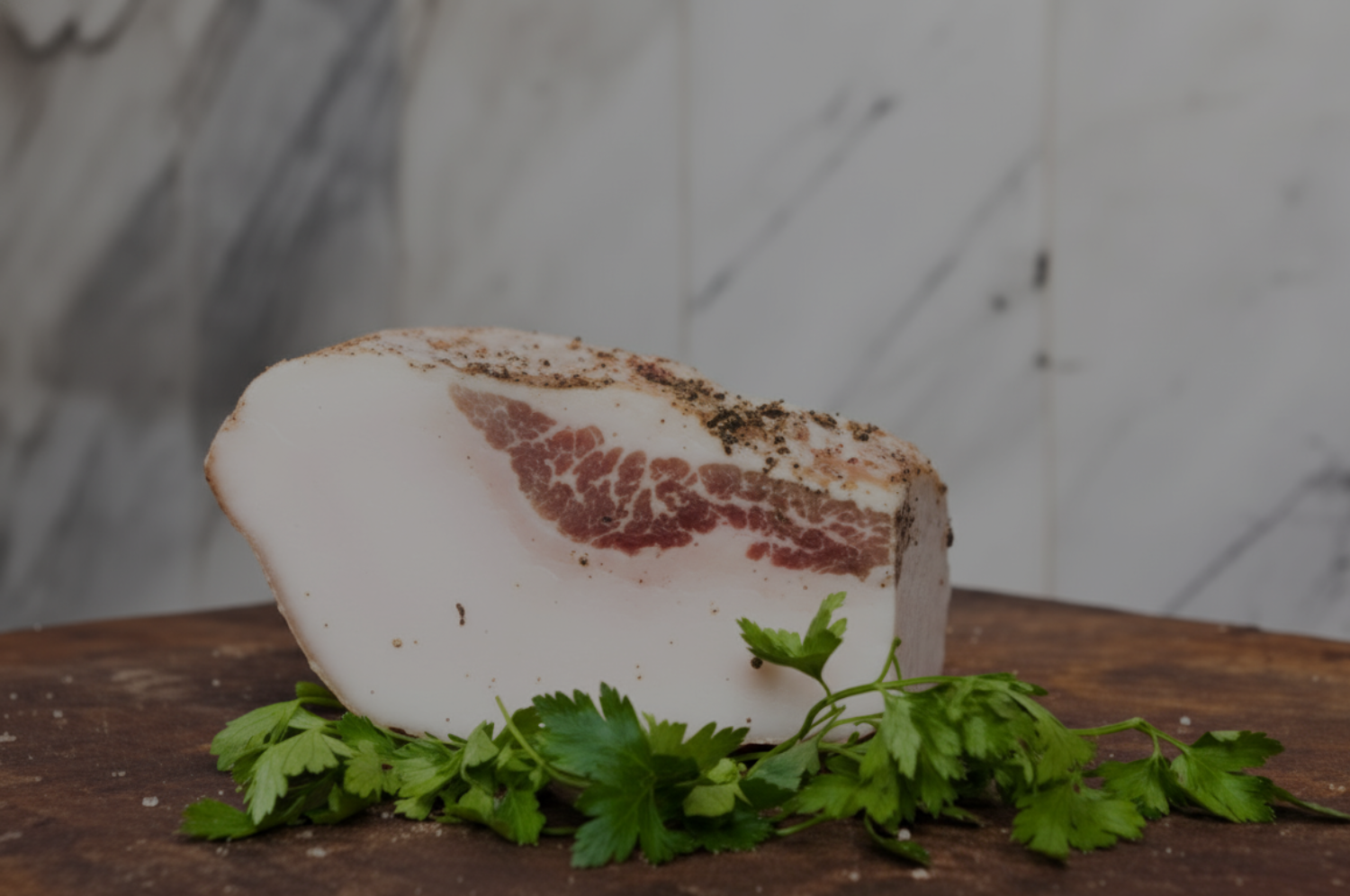
Beef tallow has made a major comeback in recent years, and for good reason. Home cooks, chefs, and food enthusiasts are rediscovering how versatile, flavorful, and reliable this traditional cooking fat can be. Unlike ultra-processed seed oils, beef tallow offers stability at high heat, a rich mouthfeel, and unmistakable depth that elevates everything from fries to pastries. If you’ve been curious about cooking with beef tallow but aren’t sure where to start, this guide breaks down ten delicious ways to use it confidently. Along the way, you’ll learn how to use tallow safely, what dishes benefit most, and how it compares to other fats. Whether you’re frying, roasting, braising, or baking, beef can become a staple ingredient that transforms everyday food into something truly satisfying.
Why Beef Tallow Belongs in Modern Kitchens
Before covering the recipes and techniques, it’s helpful to understand why beef tallow has become increasingly popular. Historically, rendered beef fat was used in cooking, baking, candle-making, soap production, and even preservation. Today, its comeback is fueled by several practical qualities.
Heat Stability
Beef has a naturally high smoke point typically around 400°F (204°C) which makes it ideal for frying and sautéing. It stays stable under high heat, reducing the likelihood of burning or developing off-flavors.
Rich Flavor
Unlike neutral oils, beef tallow adds subtle savory richness. It enhances roasted vegetables, crisps potatoes beautifully, and gives meat an irresistible crust.
Traditional, Minimal Processing
Rendered beef fat requires no chemical extraction. Many cooks prefer it because it aligns with whole-food, traditional-cooking principles.
Efficient & Economical
A little goes a long way. It stores well, lasts months in the fridge, and can often be reused after frying.
These qualities make beef tallow perfect for cooking styles that require both durability and flavor. Now let’s explore the ten best ways to use it in your kitchen.
1. Make the Crispiest Home-Style French Fries
One of the most iconic uses of beef tallow is deep-frying French fries. For decades, classic restaurants relied on animal fat for frying because it delivers unmatched texture.
Why It Works
That’s high smoke point keeps the oil stable, allowing potatoes to crisp evenly without absorbing excess grease. The result is a fry with a crunchy exterior and fluffy interior.
How to Do It
Step 1: Slice russet potatoes into even strips.
Step 2: Parboil for 3–4 minutes, then dry thoroughly.
Step 3: Heat beef tallow to 325°F (163°C) for the first fry.
Step 4: Cook potatoes for 4–5 minutes until pale.
Step 5: Remove, rest, and reheat tallow to 375°F (190°C).
Step 6: Fry again for 2–3 minutes to crisp.
Quick Tip
Reuse the beef tallow once or twice. Strain it through cheesecloth after cooling to remove starch and crumbs. This maintains flavor and safety.
2. Create Restaurant-Quality Searing for Steaks
Cooking with beef tallow enhances red meat in a way few other fats can. When heated to high temperatures, tallow helps form an even, flavorful crust on steaks, burgers, or chops.
How It Enhances Flavor
Rendered beef fat melts into the meat fibers, producing a glossy finish and sealing in moisture. Unlike butter, it doesn’t burn quickly, making it ideal for cast-iron searing.
How to Do It
Step 1: Heat a cast-iron pan on high until smoking hot.
Step 2: Add 1–2 tablespoons of tallow.
Step 3: Sear each side of the steak for 1–2 minutes before finishing in the oven.
Step 4: For extra richness, baste with melted tallow during the final minute.
Example
A ribeye cooked in beef tallow develops a dark, even crust and tastes significantly richer than one cooked in vegetable oil.
3. Roast Vegetables for Deeper, Caramelized Flavor
Roasting vegetables in beef tallow gives them a golden, slightly smoky flavor that’s hard to achieve with lighter oils.
Vegetables That Work Especially Well
- Brussels sprouts
- Carrots
- Potatoes
- Sweet potatoes
- Onions
- Cauliflower
Why It Works
The saturated fat in beef tallow helps vegetables brown more efficiently, while the savory notes complement root vegetables and cruciferous veggies.
How to Do It
Step 1: Preheat the oven to 425°F (218°C).
Step 2: Melt 1–3 tablespoons of beef tallow and toss with vegetables.
Step 3: Spread on a baking sheet and roast 25–35 minutes.
Mini Case Note
Users often report achieving crisp edges on Brussels sprouts that beat restaurant-quality versions when switching from olive oil to tallow.
4. Fry Eggs with Better Texture and Flavor
If you enjoy fried eggs with lacy edges and a creamy center, beef tallow is a game changer.
Why It Works
Tallow heats evenly, creating a slightly crunchy ring around the egg whites without overcooking the yolk.
How to Do It
Step 1: Warm a skillet on medium heat.
Step 2: Add ½ tablespoon of beef tallow.
Step 3: When shimmering, crack in the egg.
Step 4: Cook 2–3 minutes, spooning a little fat over the edges.
Bonus
Use leftover tallow from steak night to fry eggs the next morning, an easy zero-waste technique.
5. Use Beef Tallow for Homemade Tortillas or Fry Bread
Traditional cooking fats make traditional breads taste more authentic. Adding beef tallow enhances texture and produces a flexible, flavorful dough.
Applications
- Flour tortillas
- Fry bread
- Savory flatbreads
- Skillet biscuits
How Beef Tallow Helps
The solid fat shortens gluten strands, producing tender, pliable breads that are easy to roll and resistant to tearing.
How to Do It
Replace 25–50% of the fat in your tortilla or flatbread recipe with beef tallow. To fry bread, melt it directly in the skillet for extra flavor.
6. Make Flaky, Savory Pie Crusts and Pastry Dough
Most people assume pastry must be made with butter or shortening. However, beef tallow produces surprisingly flaky crusts with a distinct savory note.
Best for
- Meat pies
- Savory galettes
- Hand pies
- Empanadas
Technique
Step 1: Chill beef tallow until firm.
Step 2: Cut into flour using a pastry cutter.
Step 3: Add ice water gradually until the dough forms.
Step 4: Refrigerate for 30 minutes before rolling.
Texture Advantage
Because beef tallow has larger, more stable fat crystals, it creates dramatic layers when the dough bakes.
7. Saute Vegetables and Aromatics Without Browning Too Quickly
Some oils heat too aggressively and burn aromatics like garlic or onions. Beef tallow melts slowly and evenly, giving you control.
Why It’s Effective
The fat coats ingredients and prevents water evaporation, helping vegetables soften before browning.
How to Do It
Step 1: Heat 1 tablespoon of tallow on medium.
Step 2: Add onions, garlic, celery, or carrots.
Step 3: Cook until translucent, then increase heat if browning is desired.
Use Case
This technique is especially useful for soups, stews, chili, and beef-based sauces.
8. Make Perfect Cast-Iron Skillet Potatoes
Skillet potatoes cooked in beef tallow rival diner-style hash browns and breakfast potatoes.
Flavor & Texture Benefits
Tallow encourages crisp edges and prevents sticking two common challenges when cooking potatoes in cast iron.
How to Do It
Step 1: Heat 2 tablespoons of beef tallow in a skillet over medium-high heat.
Step 2: Add diced, shredded, or sliced potatoes.
Step 3: Press gently with a spatula.
Step 4: Cook 8–10 minutes per side until golden.
Tip
Don’t overcrowd the pan; potatoes need space to crisp.
9. Boost Soups, Stews, and Bone Broths
Adding a small amount of beef tallow to soups or stews intensifies flavor and creates a silky mouthfeel.
Why It Works
Rendered beef fat blends into broth and helps carry aromatics, enhancing depth without overpowering the dish.
How to Do It
- Add 1 teaspoon of tallow to sauté aromatics before adding liquid.
- For hearty stews, melt in 1 tablespoon during the simmering stage.
- For bone broth, use ½ tablespoon for richness if your bones are lean.
Example
Adding beef tallow to a vegetable-beef stew can make the broth feel fuller, reducing the need for added salt.
10. Grill or Roast Meats for Better Browning
Beef tallow isn’t just for frying and sautéing; it also creates exceptional browning on grilled or roasted meats.
How It Helps
Brushing meat with tallow mimics the effect of cooking on a well-seasoned grill. It prevents sticking, enhances meat color, and encourages caramelization.
How to Do It
Step 1: Melt beef tallow until liquid.
Step 2: Brush lightly over the surface of chicken thighs, pork chops, or roasts.
Step 3: Season as usual.
Step 4: Grill or roast to your desired temperature.
Tip
For large cuts like prime rib, rubbing the exterior with softened tallow before roasting promotes an exceptionally crispy crust.
Additional Tips for Cooking
Storing Beef Tallow
- Lasts 3–6 months refrigerated
- Up to 12 months frozen
- Store in an airtight glass jar for best results
Safety Precautions
- Never leave tallow unattended when heating
- Avoid water contact when deep-frying
- Strain after use to extend its life
How It Compares to Other Fats
- More heat-stable than butter
- More flavorful than vegetable oil
- Less neutral than refined coconut oil
- More robust than lard for high heat
Mini Summary
Beef tallow is one of the most versatile traditional fats you can keep in your kitchen. Its high smoke point, strong heat stability, and rich flavor make it ideal for frying, roasting, searing, and baking. Whether you’re making classic French fries, crafting savory pastries, or searing a ribeye, that’s offers unmatched performance. With proper storage and technique, it can replace several cooking oils while adding a delicious depth of flavor to everyday recipes.
Conclusion
If you’ve ever wondered how to use beef tallow in ways that go beyond old-fashioned frying, the ten techniques in this guide demonstrate just how versatile it can be. From crisping potatoes to enhancing pastries, tallow brings both flavor and functionality to your kitchen. As more cooks return to traditional fats, beef tallow stands out not only for its historical value but also for its practical strengths. Try incorporating it into one meal this week whether roasted vegetables or skillet potatoes and you’ll immediately notice the difference.
FAQs
1. What is beef tallow used for in cooking?
This is used for frying, roasting, searing, sautéing, and baking. Its high smoke point and rich flavor make it ideal for many techniques.
2. Is beef tallow good for frying?
Yes. This is one of the best fats for frying because it stays stable at high temperatures and produces exceptionally crisp textures.
3. How long does beef tallow last?
Stored in an airtight container in the refrigerator, beef tallow lasts 3–6 months. It can last up to a year if frozen properly.
4. What does cooking with beef tallow taste like?
Beef tallow adds a mild, savory richness not an overpowering beef flavor making it excellent for vegetables, meats, pastries, and eggs.
5. Can I substitute beef tallow for butter or oil in recipes?
Yes, in many cases. You can replace butter or oil with tallow for frying, roasting, searing, and certain baked goods, especially savory pastries.
6. Is beef tallow a healthier option than vegetable oil?
This is minimally processed and heat-stable. While not a health claim, many prefer it over seed oils due to its natural production and stability.
7. Does beef tallow work in cast-iron cooking?
Absolutely. Beef is ideal for cast-iron because it prevents sticking, enhances browning, and withstands high heat.













13 Comments
E aí, pessoal! Fortune Ox na aa999 é bom mesmo? Tô querendo tentar a sorte, mas tô com o pé atrás. Se alguém já ganhou uma grana boa lá, compartilha a experiência! Confere aqui: fortuneoxaa999
Jogabetbr is alright in my book. Lots of different sports betting options, which is what I was looking for. I was waiting for a santos game and it was great. Could use a little more pizzazz on the site design, but hey, it works! Recommend it! Go check them out for yourself! jogabetbr
Anyone know if jili50 is legit? Seen some buzz, might need to check it out myself.
Alright, checking out swertre99! Heard some buzz about it. Hope it’s got some good action. Will report back if I hit a big win! swertre99
Just trying to log into 44betlogin. Fingers crossed the process is smooth and I can get straight to the games. No one likes a complicated login! 44betlogin
789com seems pretty legit. I like the layout. Gonna deposit a little and see if I can run it up. Good luck to me! 789com
xoilac.net is my go-to for sports streaming! Always has the games I want to watch. Definitely a favorite!. xoilac.net
Alright, looking for some info on ‘xosohaugiang’. Hope this website has what I need. Keeping my fingers crossed for some lucky numbers! Get your numbers here: xosohaugiang
Maybe you meant ‘Nesine’? Common mistake. But hey, still worth checking the site: nesime.
is proscar for prostate
is proscar for prostate
doxycycline for bronchitis and pneumonia
doxycycline for bronchitis and pneumonia
ivermectin medicine overview
ivermectin medicine overview
ivermectin extended FAQ
ivermectin extended FAQ