
What Is Business Casual? The Modern Dress Code Explained
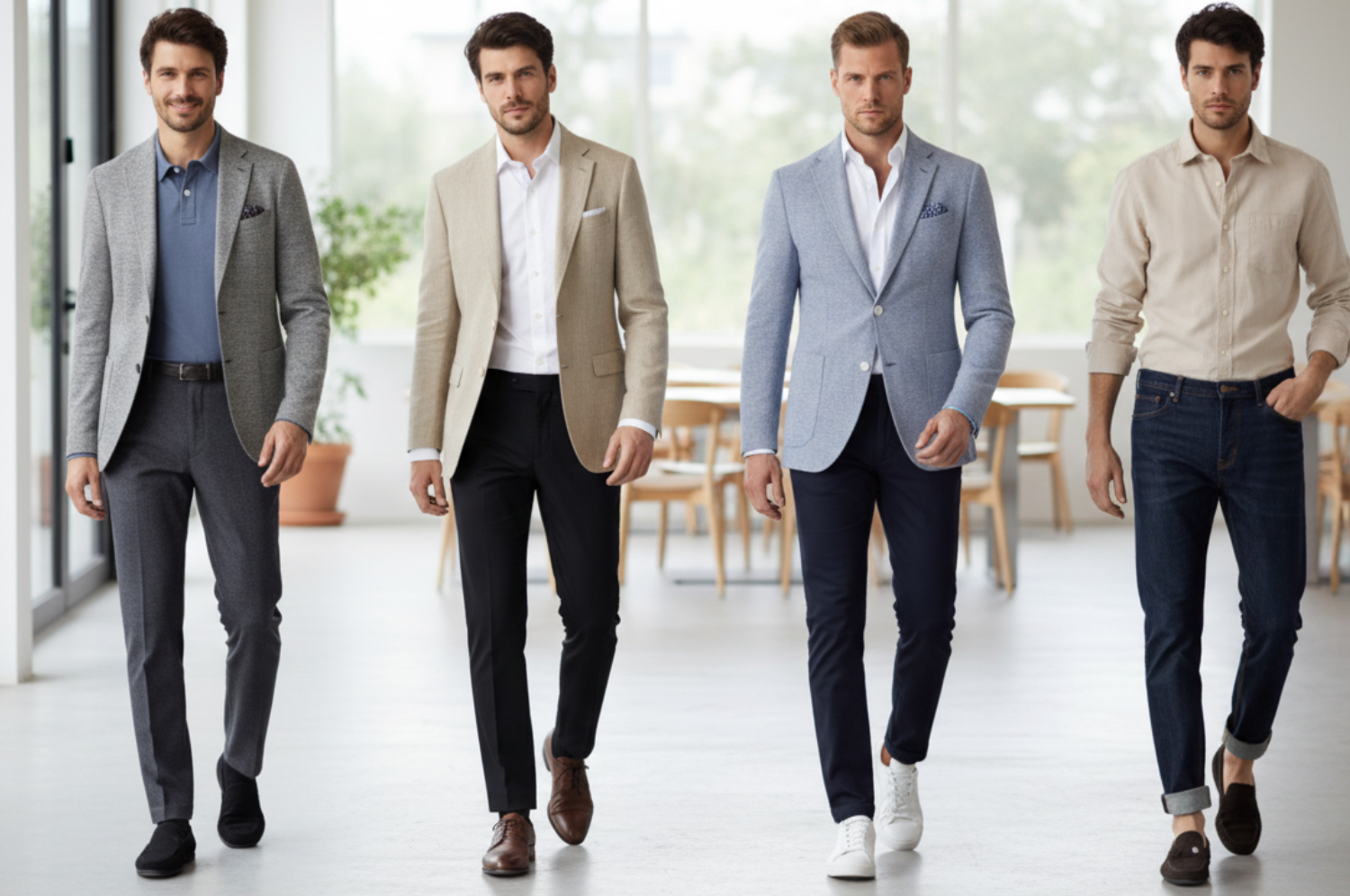
Business casual is one of the most widely used yet most misunderstood dress codes in today’s workplace. Many employees want to look polished and professional, but they’re unsure where the line falls between casual comfort and formal business standards. This confusion often results in overdressing, underdressing, or feeling out of place during important meetings. Understanding business casual helps you dress confidently, align with company expectations, and present yourself as someone who respects their professional environment.
This guide breaks down what business casual truly means today, how it has evolved, and how to dress appropriately without sacrificing comfort or personal style. You’ll find clear examples for both men and women, smart do’s and don’ts, and a complete checklist you can use before stepping out the door. Whether you’re preparing for a job interview, returning to office work after remote years, or simply wanting a refined daily wardrobe, this article delivers practical, modern advice grounded in real workplace norms.
Understanding Business Casual in Today’s Workplace
Business casual attire has shifted significantly over the last decade. Once seen as “formal business wear without a jacket,” it has relaxed into a polished but approachable style suitable for most modern offices.
Why the Definition Isn’t Universal
There is no single rule set. Expectations vary based on:
- Industry (finance is stricter; tech is more flexible)
- Company culture (traditional vs. creative)
- Location (urban workplaces skew dressier)
- Client interaction requirements
This fluidity is why many professionals struggle with the dress code. Still, core principles remain consistent: business casual should be neat, intentional, professional, and comfortable, not sloppy, flashy, or overly trendy.
Key Principles of Business Casual Attire
1. Clean, Tailored Fit
Proper fit is the backbone of professional clothing. Even moderately priced garments look elevated when tailored correctly. Avoid overly tight or baggy pieces.
2. Neutral and Muted Colors
Business casual favors:
- Navy
- Gray
- Black
- White
- Beige
- Olive
Bright colors or loud prints can work but should be balanced with neutral pieces.
3. Simple, Quality Fabrics
Fabrics like cotton, wool blends, twill, chiffon, and knitwear work well. Avoid distressed denim, shiny fabrics, or informal materials such as jersey shorts or athleisure.
4. Polished Footwear
Shoes make a stronger impression than many people realize. Closed-toe, clean, and intentional footwear elevates the look instantly.
Business Casual for Men (Complete Guide)
Men’s business casual attire blends professionalism with comfort, creating a structured but relaxed outfit that works for most office settings.
Tops
Common options include:
- Button-down shirts (solid, stripe, or minimal pattern)
- Polo shirts with a structured collar
- Sweaters layered over collared shirts
- Business casual knitwear
Avoid graphic tees, hoodies, or overly casual tops.
Bottoms
Ideal choices:
- Chinos
- Tailored trousers
- Pressed cotton pants
- Dark, non-distressed jeans (only if your office permits)
Shorts, cargo pants, and distressed denim fall outside business casual standards.
Footwear
Good options:
- Loafers
- Derby shoes
- Oxfords (less common but acceptable)
- Clean leather sneakers (acceptable in modern workplaces)
- Chukka boots or Chelsea boots
Avoid flip-flops, athletic sneakers, or worn-out shoes.
Layering
Layering adds dimension and polish.
Examples:
- Blazers (unstructured or lightweight fabrics)
- Casual sport coats
- Sweater vests or light knit vests
Jackets should be well-fitted and not overly formal like a full suit jacket unless your workplace leans dressier.
Accessories
Stick to a few high-quality accessories:
- Leather belt matching shoes
- Classic watch
- Minimal rings or bracelets
- Neutral socks
Bright colors or novelty prints can undermine the overall professional tone.
Business Casual for Women (Complete Guide)
Women’s business casual outfits offer more variety but can also create more confusion. The key is choosing pieces that balance comfort, professionalism, and modern style.
Tops
Suitable tops include:
- Blouses in solid colors or subtle patterns
- Knit tops or shells
- Fine-gauge sweaters
- Collared shirts
- Casual blazers or cardigans
Avoid spaghetti straps, crop tops, or overly revealing items.
Bottoms
Popular options:
- Tailored trousers
- Slim-fit ankle pants
- Pencil or A-line skirts (knee-length or longer)
- Midi dresses
- Dark, non-distressed jeans (where allowed)
Skirts should allow ease of movement and not rise too much when seated.
Footwear
Appropriate choices:
- Ballet flats
- Loafers
- Low to mid heels
- Block heels
- Clean leather sneakers (if permitted)
Avoid flip-flops, sky-high heels, and sandals with overly casual styling.
Dresses
Business casual dresses are typically:
- Knee-length to midi
- Simple patterns or solids
- Structured but comfortable fabric
Bodycon styles, sequined dresses, or anything clubwear-adjacent should be avoided.
Accessories
Smart accessory picks include:
- Minimal jewelry (stud earrings, small hoops, thin bracelets)
- Neutral tote bags or structured handbags
- Simple scarves
Avoid accessories that sparkle excessively or make noise.
Examples of Business Casual Outfits
Men’s Outfit Examples
- Navy chinos + white button-down + brown loafers
- Gray trousers + light blue oxford shirt + navy sweater
- Dark jeans + black polo + gray sport coat
- Olive chinos + checkered shirt + chukka boots
Women’s Outfit Examples
- Black ankle pants + cream blouse + loafers
- Midi dress + cardigan + ballet flats
- Navy trousers + striped blouse + block heels
- Dark jeans + blazer + knit top
These combinations show how simple, coordinated pieces create a polished look without being too formal.
Industries and Their Typical Business Casual Expectations
Corporate Offices (Finance, Law, Consulting)
Leans toward the dressier side:
- Button-downs, structured blouses
- Dress trousers, skirts
- Blazers worn more frequently
Tech, Startups, Creative Agencies
More relaxed:
- Clean jeans often acceptable
- Sneakers allowed in many roles
- Fewer layers, simplified outfits
Retail Management and Hospitality
Practical and performance-friendly:
- Comfortable shoes
- Breathable fabrics
- Avoid overly formal pieces that restrict movement
Education and Nonprofit
Moderate flexibility:
- Cardigans, simple dresses, chinos
- Casual Fridays may allow jeans
Understanding your industry’s culture helps you fine-tune your business casual wardrobe.
Business Casual vs. Business Formal
Business Casual
- Relaxed yet professional
- No full suit required
- Polished, neat, intentional
Business Formal
- Suit and tie (men)
- Suit set or formal dress (women)
- More structured fabrics
Think of business casual as a midpoint between jeans and a full suit.
How to Build a Business Casual Wardrobe (Practical Steps)
Step 1: Start With Essential Pieces
A strong foundation includes:
- 3–5 neutral shirts
- 2–3 pairs of chinos or dress pants
- 1–2 blazers or cardigans
- Polished footwear
- A structured bag or briefcase
Step 2: Choose Versatile Colors
Select tones that work together so you can mix and match:
- Navy with white
- Black with gray
- Olive with beige
This reduces decision fatigue and maximizes outfit options.
Step 3: Prioritize Fit Over Brand
A $40 shirt that fits is more professional than a $140 shirt that doesn’t.
Step 4: Add Layers Thoughtfully
Layers help transition between meetings and environments. However, avoid oversized or casual layers that clash with a polished look.
Step 5: Maintain Everything
Wrinkled clothing undermines your professional presence. Use:
- Steamer
- Lint roller
- Regular laundering
- Shoe polish
Small maintenance habits dramatically elevate business casual attire.
Do’s and Don’ts of Business Casual Attire
Do’s
- Choose clean, pressed clothing
- Keep colors cohesive
- Opt for classic silhouettes
- Wear comfortable but polished shoes
- Dress slightly up on meeting days
Don’ts
- Wear gym clothes or athleisure
- Choose loud logos or bold graphics
- Wear overly revealing clothing
- Use wrinkled, stained, or worn pieces
- Confuse casual Friday with “no rules” Friday
These rules apply across industries unless your company communicates otherwise.
Common Business Casual Mistakes to Avoid
1. Dressing Too Casual
Hoodies, graphic tees, flip-flops, and distressed jeans rarely qualify.
2. Overly Formal Clothing
A full suit contradicts business casual unless the environment requires it.
3. Focusing Only on Tops
Bottoms matter just as much. Your outfit should be cohesive from head to toe.
4. Ignoring Grooming
Even strong clothing choices lose impact with unkempt grooming.
5. Wearing Uncomfortable Shoes
Discomfort leads to awkward posture and poor body language. Choose footwear that balances style with function.
Business Casual by Season
Spring
- Lightweight chinos
- Breezy blouses
- Soft sweaters
- Neutral flats
Summer
- Breathable fabrics (linen blends, cotton)
- Polo shirts
- Midi dresses
- Loafers or flats
Avoid shorts unless explicitly allowed.
Fall
- Layers, cardigans, knit blazers
- Earth-tone colors
- Leather shoes
Winter
- Thick sweaters
- Wool trousers
- Boots (Chelsea or heeled ankle boots)
- Warm, neutral outerwear
A Mini Summary (Quick Reference)
Business casual is polished, clean, and comfortable. Men typically wear chinos, collared shirts, and simple shoes. Women lean toward trousers, modest dresses, blouses, and flats or low heels. Avoid extremes too casual or too formal. Prioritize fit, grooming, and neutral colors. Add layers thoughtfully and maintain your clothing well.
When in doubt, choose slightly more polished items until you understand your workplace norms.
Conclusion
Business casual is no longer confined to outdated definitions. Instead, it reflects a modern balance of professionalism and comfort tailored to today’s diverse workplaces. Whether you’re entering a new job, refining your current wardrobe, or preparing for an interview, understanding business casual ensures you project confidence, respect, and competence. By choosing well-fitted, clean, and coordinated pieces, you can build a reliable wardrobe that adapts to different settings without sacrificing personal style. With the guidelines in this article, you’re equipped to interpret your company’s expectations and dress with clarity and ease every day.
FAQs
1. What is business casual in simple terms?
Business casual is a professional yet relaxed dress code that avoids both overly formal suits and very casual clothing like jeans with rips, shorts, or graphic tees.
2. What should I not wear for a business casual dress code?
Avoid distressed jeans, athletic wear, flip-flops, crop tops, extremely bright prints, and anything too tight, short, or revealing.
3. What is business casual for men?
Men typically wear chinos or dress pants, button-down shirts or polos, and closed-toe shoes like loafers or oxfords.
4. What is business casual for women?
Women can wear blouses, sweaters, trousers, knee-length skirts, dresses, and polished flats or low heels.
5. Are jeans considered business casual?
Dark, non-distressed jeans are acceptable in many workplaces but not all. Always check your company’s policy.
6. Are sneakers okay for business casual?
Clean, minimalist leather sneakers may be acceptable in modern workplaces, especially in creative or tech environments.
7. Is business casual the same as smart casual?
They overlap, but business casual leans more professional while smart casual allows more trend-driven or stylish pieces.
















8 Comments
Hey guys, just tried out 7jll – not gonna lie, was a bit skeptical at first, but it’s actually pretty decent. The interface is smooth and easy to use. Check it out for yourselves! 7jll
Gonna try out winpkrgame. Sounds like a good time. Let the games begin. Join and play today winpkrgame!
Been hearing about aaaaphcasino. Thinking of giving it a whirl this weekend. Any recommendations for games to start with? Don’t wanna lose all my money right away! aaaaphcasino
Gave baazplaygame a shot last night. Lost a bit…but had fun doin’ it lol. Anyone else had any wins there lately? Still trying to figure out the strategy! baazplaygame
Alright alright, let’s talk ck999game! I’ve been messing around on there and gotta say, it’s got some decent stuff. Worth a look if you’re bored, ya know? Check it out: ck999game
Yo, check out pkrvipgamedownload! Feels good to get VIP treatment while downloading new games. Join now to get pkrvipgamedownload benefits!!
RR3game got me hooked! Seriously fun and easy to get into. Definitely recommend giving rr3game a try!
Heard some good buzz about sinagphcom. Gonna check it out and see what all the hype is about. See what all the fuzz is about at sinagphcom.