
Wet Brine vs Dry Brine: Which Turkey Brine Method Works Best?
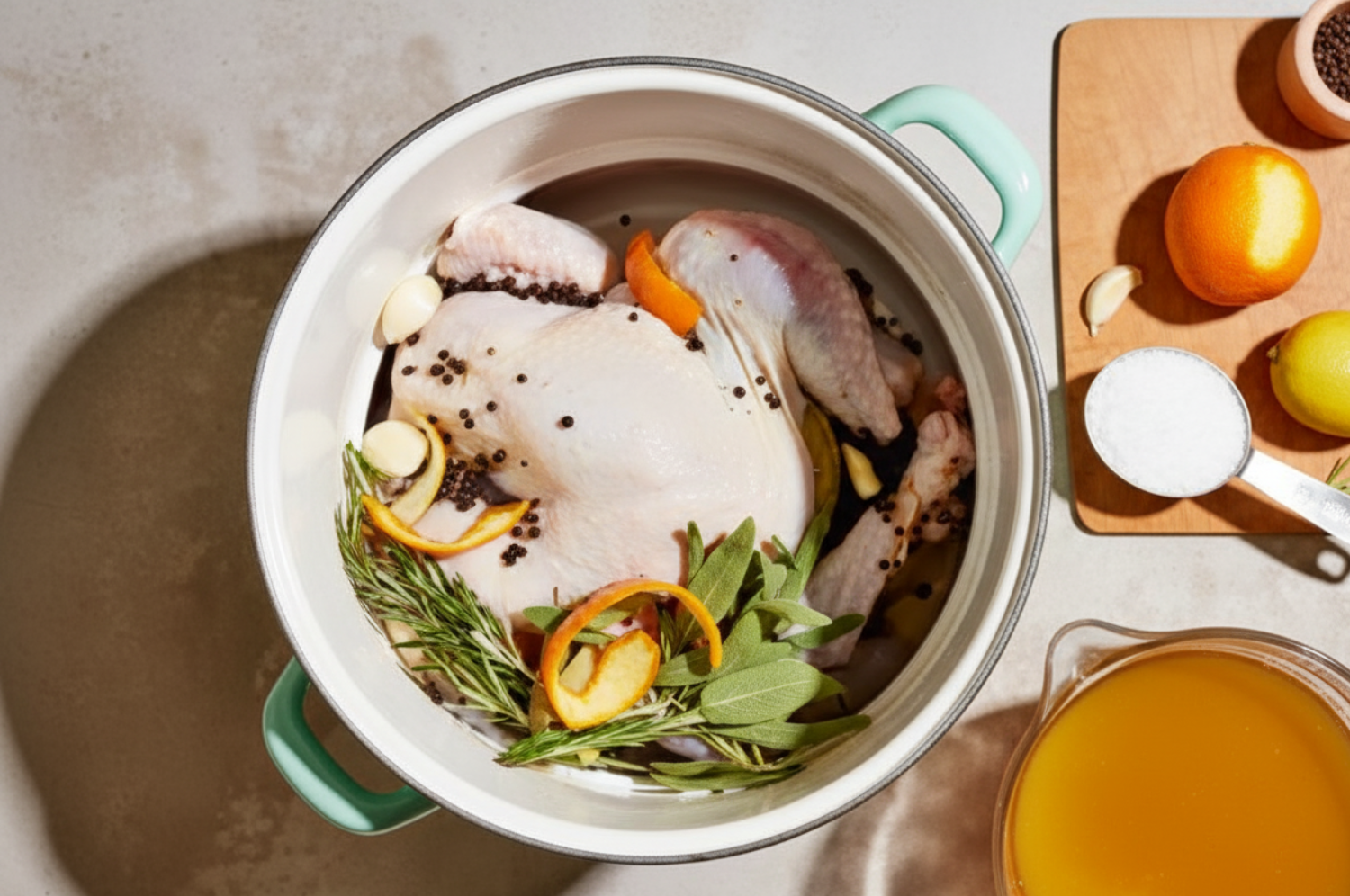
If you’ve ever wondered why some home cooks serve unbelievably juicy, flavorful turkey while others struggle with dry, bland results, the secret usually comes down to one thing: the turkey brine. Whether you’re preparing a Thanksgiving feast or perfecting your year-round roasting skills, choosing the right brining method can dramatically change your outcome.
Most cooks fall into two camps: wet briners and dry briners and both swear their method is superior. Wet brine involves soaking the turkey in a seasoned saltwater solution, while dry brine coats the bird with salt and spices without any added liquid. Each technique has its strengths, trade-offs, and ideal use cases.
This comprehensive guide breaks down everything you need to know about wet brine vs dry brine, including how each method works, step-by-step instructions, pros and cons, common mistakes to avoid, and practical insights from real cooking results. By the end, you’ll know exactly which method fits your time, kitchen space, and flavor goals.
Understanding the Purpose of a Turkey Brine
Before comparing methods, it’s essential to understand why brining works and why it elevates your turkey from average to exceptional.
A brine wet or dry is fundamentally about salt. Salt draws moisture from the turkey’s muscle fibers, dissolves into that moisture, and then allows the seasoned liquid to be reabsorbed into the meat. This process helps the protein structure retain more water during cooking, reducing moisture loss and creating a tender, flavorful finished turkey.
A proper brine:
- Increases moisture retention
- Enhances flavor throughout the meat
- Improves texture
- Helps browning
- Gives more forgiveness if the turkey cooks slightly longer than expected
Now let’s break down how the two major approaches differ.
What Is a Wet Brine?
A wet brine submerges the turkey in a large container filled with saltwater and aromatics. It’s a classic technique used in kitchens for decades, particularly among cooks who want a “failsafe juiciness” outcome.
How Wet Brining Works
The saltwater solution floods the muscle fibers, adding extra liquid to the turkey. Because the bird absorbs water, wet brining almost guarantees a moist final result even if the turkey slightly overcooks.
Basic Wet Brine Formula
A standard ratio for poultry:
- 1 gallon water
- 1 cup kosher salt
- Optional: sugar, herbs, citrus, peppercorns, garlic
For a full turkey, many cooks need 2–3 gallons of brine.
How to Wet Brine a Turkey (Step-by-Step)
1. Prepare the Brine
Heat a portion of the water to dissolve salt and sugar, then cool completely.
Add aromatics such as:
- Rosemary
- Thyme
- Bay leaves
- Lemon slices
- Juniper berries
2. Submerge the Turkey
Place the raw turkey in a large container, brining bag, or food-safe bucket.
Pour the cooled brine over it until fully submerged.
3. Refrigerate for 12–24 Hours
Keep the bird at or below 40°F.
Turning the turkey halfway through can help even absorption.
4. Rinse and Dry
Rinse lightly to remove surface salt, then pat the turkey completely dry.
5. Air-Dry Overnight (Optional but Recommended)
Drying the skin helps create a crisp, golden finish.
Benefits of Wet Brining
Wet brining isn’t popular without reason. Many chefs appreciate the repeatable results.
1. Extremely Moist Meat
Because the turkey absorbs extra water, it’s almost impossible to end up with a dry bird.
2. Great for Lean White Meat
Turkey breasts are notoriously easy to overcook. Wet brining protects them.
3. Even Seasoning Throughout
The saltwater solution distributes seasoning deeper into the meat, not just the surface.
4. Ideal for First-Time Cooks
The method is forgiving and reliable, even with less experience.
Drawbacks of Wet Brining
Despite its benefits, wet brining comes with limitations.
1. Requires Significant Space
A 12–20 lb turkey submerged in gallons of water takes up fridge real estate many kitchens don’t have.
2. Can Dilute Flavor
Additional water in the meat adds moisture but may subtly reduce the turkey’s natural flavor intensity.
3. More Mess and Supplies
You need:
- A large container
- Brining bags
- Extra refrigerator space
4. Less Crispy Skin (Unless Air-Dried)
High moisture content under the skin can lead to softer, less crackly results.
What Is a Dry Brine?
A dry brine applies salt directly to the turkey, often mixed with herbs, zest, or spices. No water is added. Instead, the turkey uses its natural juices to create its own “internal brine.”
Dry brining has surged in popularity thanks to its convenience and ability to produce crispy, deeply flavorful turkey.
How Dry Brining Works
Salt pulls moisture out of the turkey at first. Then, the salty liquid gets reabsorbed, seasoning the meat more effectively than a surface rub.
This technique both enhances the natural flavor and improves texture without the dilution that happens with a wet brine.
How to Dry Brine a Turkey (Step-by-Step)
1. Prepare the Salt Mix
Use:
- 1 tablespoon kosher salt per 4 lb of turkey
- Optional: herbs, garlic powder, citrus zest, pepper, smoked paprika
2. Pat the Turkey Dry
Surface dryness helps the salt coat evenly.
3. Apply the Brine
Rub salt mixture under the skin (especially breast), on the surface, and inside the cavity.
4. Refrigerate 24–72 Hours
Longer brining = deeper flavor.
Leave the turkey uncovered to maximize skin crispiness.
5. Roast Without Rinsing
No need to wash the salt off. It absorbs fully.
Benefits of Dry Brining
1. Intensely Flavorful Meat
Because flavor concentration isn’t diluted by water, turkey tastes more robust.
2. Ultra-Crispy Skin
Air exposure plus salt creates exceptional browning.
3. Minimal Equipment
You only need:
- Salt
- Spices
- A refrigerator shelf
No giant buckets or gallons of liquid required.
4. Cleaner, Faster Prep
No messy brine disposal or sloshing liquids.
5. Ideal for Experienced Home Chefs
Offers flavorful, restaurant-quality results without extra stress.
Drawbacks of Dry Brining
1. Requires More Time
For best results, dry brine for at least 24–48 hours.
2. Slightly Less “Guaranteed Moist” Than Wet Brine
Dry brine improves moisture retention, but not to the same extent as submersion.
3. Salt Management Required
Too much salt or too aggressive seasoning can lead to an overly salty turkey.
Wet Brine vs Dry Brine: Side-by-Side Comparison
| Feature | Wet Brine | Dry Brine |
| Juiciness | Excellent | Very Good |
| Flavor Concentration | Moderate | Excellent |
| Skin Crispiness | Good (with air-drying) | Outstanding |
| Preparation Time | 12–24 hours | 24–72 hours |
| Equipment Needed | Large container, liquid | Minimal |
| Difficulty Level | Easy | Moderate |
| Best For | Beginners, juicy meat lovers | Busy cooks, crisp-skin fans |
Which Turkey Brine Method Works Best?
The “best” method depends on your priorities. Both produce delicious turkey but shine in different scenarios.
Choose Wet Brine If:
- You want absolutely guaranteed moisture
- You’re cooking for a large group and need consistency
- You have refrigerator space and don’t mind handling large containers
- You prefer a milder, evenly seasoned turkey
Choose Dry Brine If:
- Crispy skin is a top priority
- You want stronger, richer flavor
- You’re short on fridge space
- You prefer simple, low-mess prep
Most seasoned cooks prefer dry brining, especially in recent years. It delivers flavor, texture, and convenience without sacrificing moisture.
However, if your turkey tends to overcook or you worry about dryness, wet brining remains a safe and effective classic.
Flavor Considerations: Spices, Aromatics & Customization
Both brining methods allow you to infuse the turkey with additional flavors, but they differ in how well those flavors permeate the meat.
Wet Brine Flavor Boosters
- Fresh herbs
- Citrus
- Allspice
- Apple cider
- Garlic and onion
Because the brine bath surrounds the bird, aromatics distribute more broadly, though subtly.
Dry Brine Flavor Boosters
Dry brining intensifies more concentrated flavors, such as:
- Smoked paprika
- Lemon or orange zest
- Thyme or rosemary
- Pepper blends
- Chipotle or ancho powder
Dry brine tends to create a more complex flavor profile closer to “seasoned roast chicken” rather than the lighter profile from wet brining.
Brining Time Recommendations by Turkey Size
Wet Brine Timing
- 8–12 lb turkey → 12–18 hours
- 12–16 lb turkey → 18–24 hours
- 16–20 lb turkey → 24 hours
Dry Brine Timing
- Minimum: 24 hours
- Ideal: 36–48 hours
- Premium: 72 hours (3 days)
The longer the dry brine sits, the deeper the seasoning and more pronounced the browning.
Common Brining Mistakes to Avoid
Wet Brine Mistakes
1. Using too much salt
Results in overly salty meat.
2. Not cooling the brine
Warm brine can raise turkey temperature into unsafe zones.
3. Over-brining
More than 24 hours can make the turkey mushy.
4. Not drying the turkey enough before roasting
Leads to rubbery skin.
Dry Brine Mistakes
1. Using table salt instead of kosher salt
Table salt is too fine and can instantly oversalt.
2. Not using enough time
Less than 24 hours results in surface seasoning only.
3. Rinsing the turkey
This washes away flavor and creates messy splashing.
4. Forgetting to adjust for salted butter or broth
Double-salting is a common problem.
Real-World Results: What Home Cooks Report
Based on practical experience from thousands of Thanksgiving posts and recipe reviews:
- Dry brined turkeys consistently get rated highest for flavor and texture.
- Wet brined turkeys get rated highest for moisture and even cooking.
- Most people who switch from wet to dry brine often stick with dry because of its simplicity and improved browning.
- Wet brining remains more popular with beginners because it’s more error-proof.
Mini Summary: The Bottom Line
- Best all-around method: Dry brine
- Best for beginners: Wet brine
- Best for crispy skin: Dry brine
- Best for flavor intensity: Dry brine
- Best for moisture insurance: Wet brine
There is no universally “perfect” method, but the method that fits your needs, time, and creativity will give you the best results.
Conclusion
Brining is one of the most effective ways to elevate a turkey from ordinary to extraordinary. Whether you choose a wet brine or a dry brine, the goal is the same: juicier meat, deeper flavor, and a more enjoyable holiday meal.
A wet brine is dependable, beginner-friendly, and produces incredibly moist turkey every time. A dry brine, on the other hand, offers richer flavor, better browning, easier prep, and crispier skin, a favorite among experienced cooks.
Whichever method you choose, the secret to success lies in planning, following correct ratios, and allowing enough time for the brine to work. With the right approach, your turkey will come out tender, flavorful, and unforgettable.
FAQs
1. What is the best turkey brine method for beginners?
Wet brining is often easier for beginners because it guarantees moisture and is more forgiving if the turkey is slightly overcooked.
2. Does a turkey brine make turkey salty?
No when done correctly. Both methods season the meat deeply without making it overly salty, as the salt redistributes throughout the turkey.
3. Which turkey brine method gives crispier skin?
Dry brining produces much crispier skin because the turkey air-dries in the refrigerator without being submerged in water.
4. How long should I brine a turkey?
Wet brine for 12–24 hours.
Dry brine for 24–72 hours for the best flavor.
5. Can you dry brine a frozen turkey?
Not until it’s at least partially thawed. Apply the brine once the surface softens enough for salt to stick.
6. Does a turkey brine work on turkey breast only?
Yes. Both wet and dry brining work extremely well on turkey breasts and prevent dryness.
7. Is a turkey brine necessary for a juicy turkey?
Not strictly necessary, but highly recommended. Brining increases juiciness, improves texture, and boosts flavor, especially for lean white meat.













13 Comments
weed chocolate gifts discreet enjoyable
Big88bet, sounds promising! I’m chasing those big wins. Let’s hope their VIP program is worth it. big88bet
Betmex es mi sitio para apuestas rápidas. Simple, directo y sin rodeos. Perfecto para cuando tengo prisa. Dense una vuelta por betmex.
Mexwoncasino! Okay, I’m intrigued. Love casinos with a local touch. Hope they’ve got some good promos and a wide selection of games. I’m giving mexwoncasino a try and hoping for the best!
luk88.run is where i go for a quick game when I’m bored bored. Pretty quick, but always remember to be careful. luk88.run
vtbet’s the spot, for sure! You will find many selections and quick access to your online bets. Great choice for online betting. Explore vtbet
Gotta say, 444bet, you’re alright. Quick payouts which is a big plus for me. Simple interface too. Give it a whirl: 444bet.
Yo, bajisuper! Just signed up and already feeling the good vibes. The games are slick and payouts seem legit so far. Fingers crossed this turns into my go-to spot! Check it out bajisuper.
Went to gt777login.net, looks slick. Smooth sailing so far. I give it a mild nod! -> gt777login
So, I peeked into takavip.net. Feeling kind of vip-ish with what I saw! Check it takavip
I saw ga888london advertised online. Does anyone know if it is a reliable site? It looked simple so hoping someone can offer advice. ga888london
Anyone got a working Rajabets promo code? Always on the lookout for a good deal! If you know of one, hit me up! Or visit the site here: rajabets promo code
Spinph7 is a quite generic website. If you want a casual experience, maybe you should try it if there is nothing to do. More info here: spinph7